


News and Information
NEWS
The Guardian of Precision Instruments: Custom-Made Instrument Protective Cases
2025-02-17
In the realm of modern technology, precision instruments play an indispensable role. From sophisticated analytical equipment in laboratories to cutting-edge testing devices on industrial sites, these instruments are often costly and demand stringent environmental conditions. Ensuring their protection during transportation, storage, and operation has thus become a critical challenge for users. Custom‑made instrument protective cases have emerged as a comprehensive solution, offering robust safeguarding for precision equipment.
I. Tailor-Made Solutions: The Core Value of Protective Enclosures
The most distinctive feature of custom‑made instrument cases is their “tailor‑made” nature. Unlike standard‑size cases, custom cases are specifically engineered to accommodate the instrument’s exact dimensions, weight, shape, and operating environment. This precise fit not only maximizes the available interior space but also ensures the instrument is securely fastened, minimizing movement and impact during transport.
The customization process for a protective enclosure begins with a thorough understanding of the instrument. Engineers must meticulously measure all relevant parameters, identify the instrument’s vulnerable components, and assess potential risk factors. Based on this analysis, the design team develops an optimal protection strategy, encompassing the enclosure’s structural design, internal cushioning materials, and securing mechanisms.
The advantages of customized design are readily apparent. It not only delivers enhanced protection but also boosts operational efficiency. For instance, for instruments frequently used on the go, one can devise a compact, portable case with ergonomically designed handles; for equipment that requires frequent access, a quick‑release mechanism and an intuitively laid‑out interior can be incorporated.
II. Technology-Driven Innovation: Materials and Manufacturing Processes of Protective Enclosures
The manufacturing of modern protective enclosures has transcended the limitations of traditional cases, incorporating a range of high‑tech materials and advanced processes. Case materials have evolved from conventional metals and wood to cutting‑edge engineering plastics and composite materials, significantly reducing weight while maintaining structural integrity. Internally, cushioning materials have also been upgraded from standard foams to high‑density polyurethane, EVA, and other substances that deliver superior shock‑absorption performance.
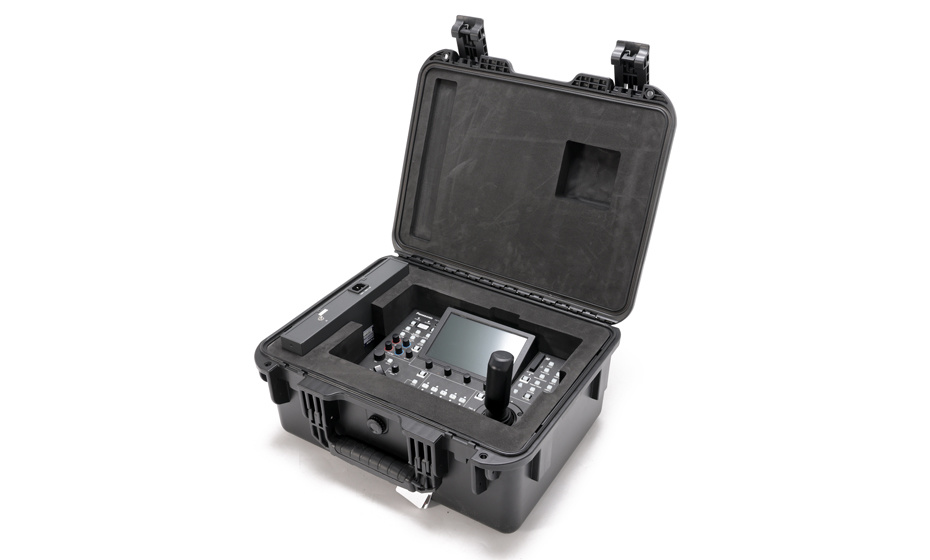
The breakthrough in protective performance is evident in multiple aspects. The realization of functions such as waterproofing, dustproofing, shock resistance, and antistatic protection ensures that the instrument is effectively safeguarded in a variety of harsh environments. JUESHIMEI’s high-end protective cases can even withstand pressures of several tons, ensuring the instrument’s safety under extreme conditions.
The integration of specialized functions represents a new trend in the evolution of protective enclosures. The addition of features such as temperature and humidity control systems, pressure‑balancing valves, and GPS positioning modules has transformed these enclosures from passive protective devices into intelligent instrument‑management platforms. These innovations not only enhance protective performance but also offer users greater convenience.
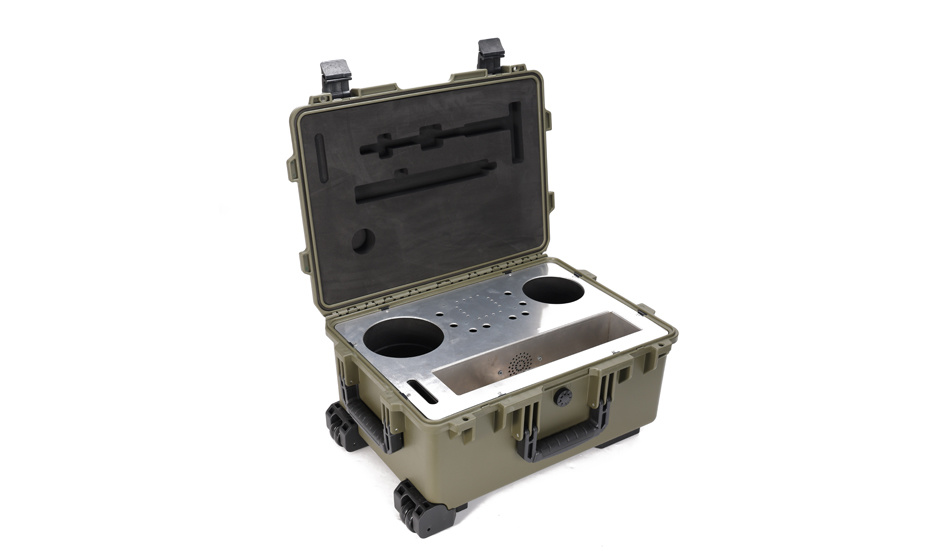
III. Application Scenarios: Demonstrating the Value of Protective Enclosures
In laboratory settings, custom‑made protective enclosures provide an ideal storage solution for precision instruments. They not only safeguard equipment from environmental factors but also facilitate organized instrument management. Tailored to the specific needs of different laboratories, these enclosures can be engineered with specialized features such as corrosion resistance or radiation shielding.
In field‑operation settings, the importance of protective enclosures becomes even more pronounced. Whether in geological exploration, environmental monitoring, or military operations, instruments must withstand a wide range of challenging environmental conditions. Custom‑designed protective enclosures ensure that equipment functions reliably under rough transportation, extreme temperatures, high humidity, and other demanding circumstances.
In specialized environments, the design of protective enclosures must be even more sophisticated. For instance, enclosures used for polar scientific expeditions must deliver exceptional thermal insulation, while those employed in the aerospace sector must meet stringent requirements for weight reduction and impact resistance. These unique demands continue to drive advancements in protective‑enclosure technology.
With advances in technology and the growing diversity of needs, custom instrument enclosures are evolving toward greater specialization. In the future, these enclosures will transcend their role as mere protective casings, potentially becoming intelligent devices that integrate protection, monitoring, and management. For users of precision instruments, selecting an appropriately tailored enclosure is like adding a reliable safeguard to ensure their equipment’s safety. As technology becomes increasingly sophisticated, such specialized protective solutions will assume ever‑more critical importance.
Instrument Protective Case,Precision instrument case,Instrument Panel Control Box
Previous article:
Related Information

undefined

Zhongshan JUESHIMEI Plastic Products Co., Ltd.
Mobile phone:8618022079850
Email:sales@jueshimei.com
Address: No. 32, South Industrial Avenue, Baofeng Community, Xiaolan Town, Zhongshan City
Follow us
Copyright © 2023 Zhongshan JUESHIMEI Plastic Products Co., Ltd.
PowerBy:300.cn